Meet our new brand Royal Boch
Home & Table by Meyhui is proud to present the latest brand from its collection: Royal Boch.
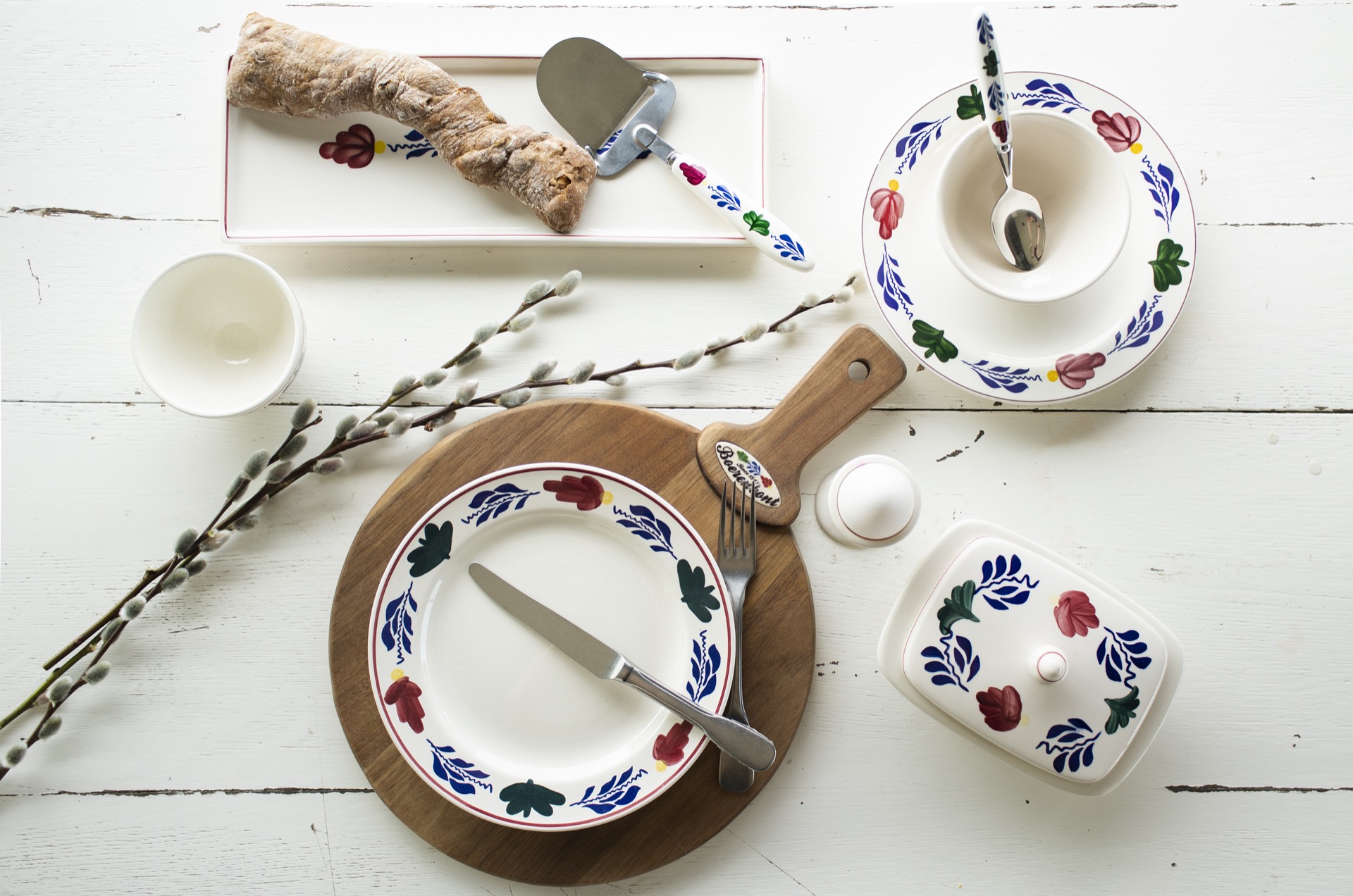
Royal Boch has been designing, creating and selling luxury tableware since 1841. Handmade pottery by famous designers. For more than 175 years, Royal Boch has been synonymous with superior craftsmanship. Since the 19th century, its international reputation has been the result of a combination of exceptional creative achievements coupled with prestigious names. The company was founded in 1841 by the Boch family, descendants of the Boch family from Audun-le-Tiche in France, who founded a ceramics company in 1748 that would later become Royal Boch.
1844 – 1870
Victor BOCH, an experienced financial businessman, takes the direction of the SNC Boch Frères. He gets assistance from the faience factories of the family (Septfontaines, Mettlach and Wallerfangen) who sell him ready-to-use copperplates, so he can start the production immediately. Amongst the plates they sold to Keramis between 1844 and 1846 we mention Bayern landscapes and views of the Rhine, genre scenes, decors inspired by the Orient, the decor “Theetrinker”. The engravings on these plates, mostly applied by chisel and stamp, were used for reproduction through impression. The very first decors were monochrome, mostly in bleu or black impression, and have a factory stamp with large banner in general, and are sometimes produced in sister factories. Sometimes they are bicolour, black for the centre decoration and another colour for the border decoration.
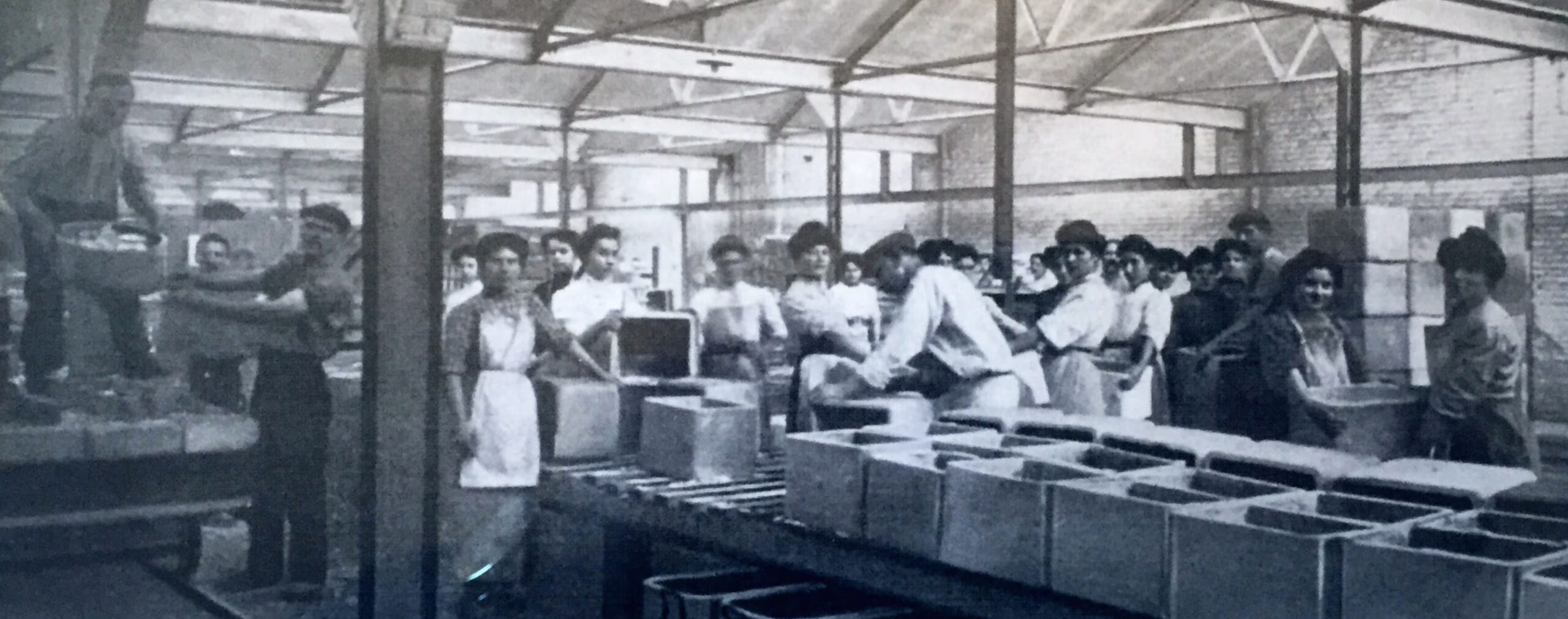
1870 – 1892
Around 1874, due to the passionate interest of collectors of old faience pieces, Victor BOCH hires Dutchman from Maastricht, some already experienced after years of work in Delft. These Dutch faience painters brought their knowledge, experience and skills. Thanks to their collaboration the old working methods were applied on different clay than the potters in Delft. A period of reproduction of decors is followed by a period of innovation, among others with the polychrome decors on white background, or bleu, green or black, and afterwards new decors.
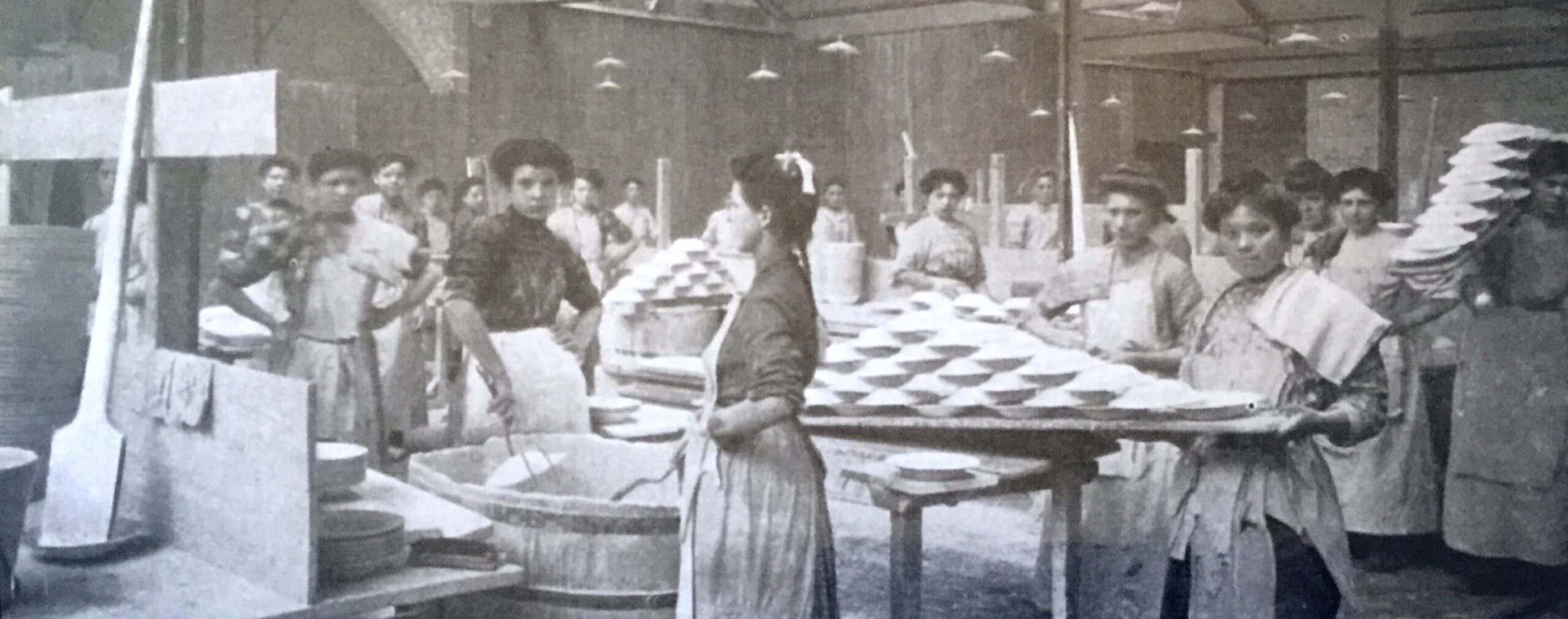
1892 – 1920
Some people think this period is less interesting, and call it the “post MOUZIN” period, but this is unfair. Anyhow, this period is the time art nouveau explodes and innovations close to tradition are created. The decors Jasmin in green, Jasmin in bluish grey, Capucines, Lucien, Rosa and Prunelle are some examples of this art nouveau trend. Finally, we have to mention that the brothers BOCH, in 1906, engaged Charles CATTEAU, an extraordinarily personality with a reputation soon to be known outside the BOCH walls, throughout his teaching, his membership of artistic circles, his collaboration with other factories.
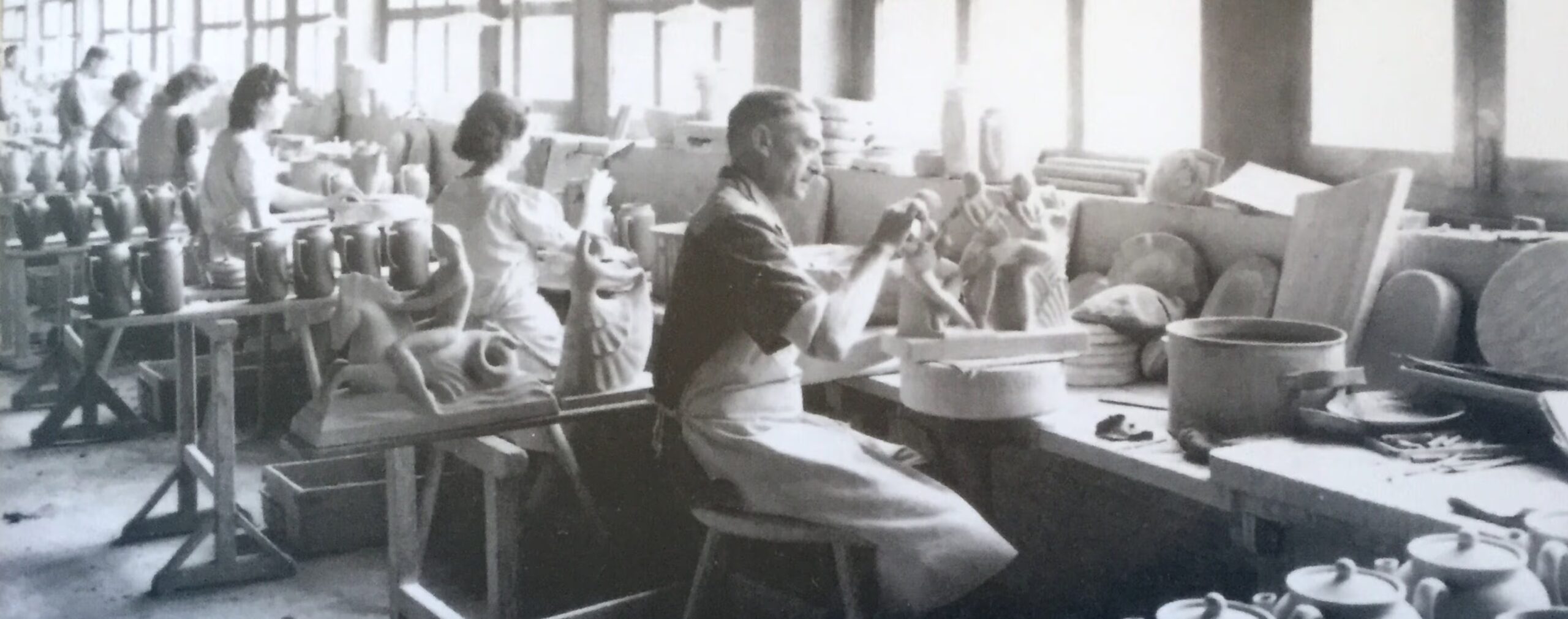
1920 – 1950
Tableware reproduces once again various decors and series from previous periods. The catalogue from 1936 shows the diversity of the products of the Boch brothers, both in terms of reeditions of decors as in terms of creating new art deco decors. This period is mainly characterised by the production of ornamental items and art deco dinner sets created in the fantasy workshop of Charles CATTEAU. He carries of a first prize at the Paris international exhibition of modern ornamental and industrial arts 1925 with a vase in earthenware, various objects in earthenware, including an overpowering huge vase with deer’s and roes.
1950 – present
The faience producers are looking for a future in two different directions, on the one hand through innovation with modern and original decors, and on the other hand in concentrating on very high quality and luxury products, although with few workers.